English
 français
 Deutsch
 русский
 italiano
 español
 português
 العربية
 日本語
日本語 Polski
 中文
中文
Come possiamo aiutarti
Tu può contattarci in qualsiasi modo sia conveniente per te. Noi sono disponibili 24 ore / 7 giorni via e-mail o telefono.
Contattaci
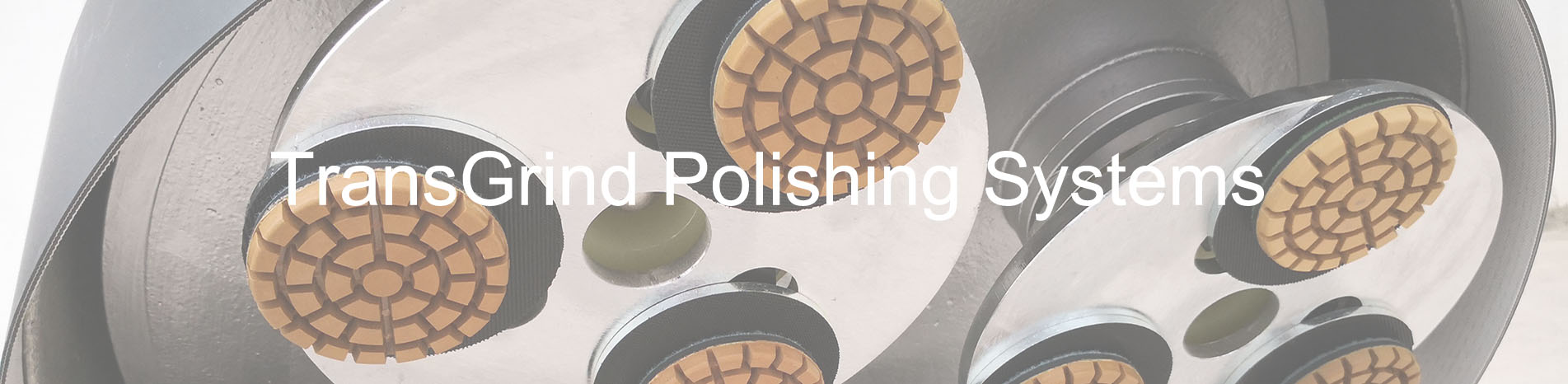
La rimozione dei rivestimenti esistenti è un passaggio cruciale nella preparazione delle superfici in calcestruzzo per il restauro o l'applicazione di nuove finiture. Vecchi strati di vernice, resina epossidica, sigillanti e residui di adesivo possono interferire con la corretta adesione e spesso nascondere le imperfezioni superficiali. Per i principianti, comprendere perché la rimozione del rivestimento è necessaria aiuta a prevenire errori comuni e garantisce che il calcestruzzo sia pronto per la fase successiva del lavoro.
The initial step involves identifying the type of coating present. Thin acrylic paints behave quite differently compared to thick epoxy or polyurethane coatings. Some coatings break apart easily during grinding, while others are more resistant and require more intensive mechanical methods. Accurately assessing the coating type saves time and minimizes the risk of excessive tool wear or damage to the concrete slab.
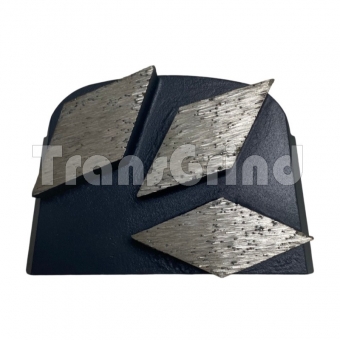
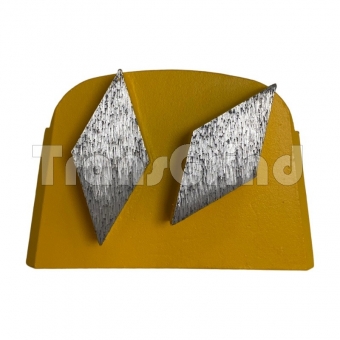
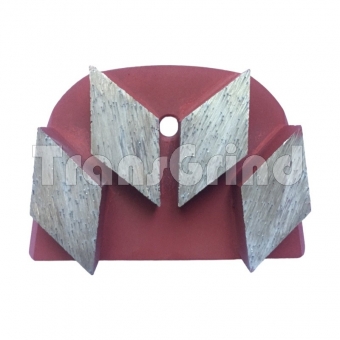
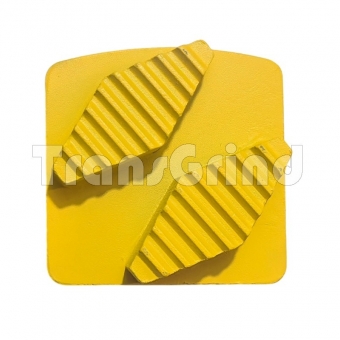
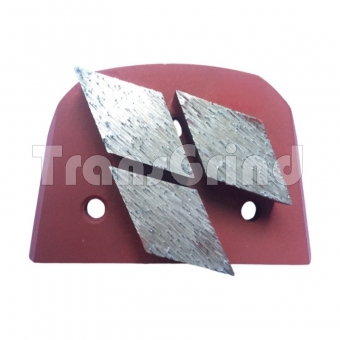
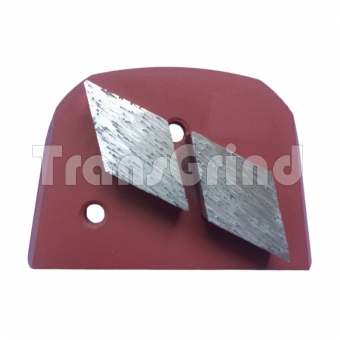
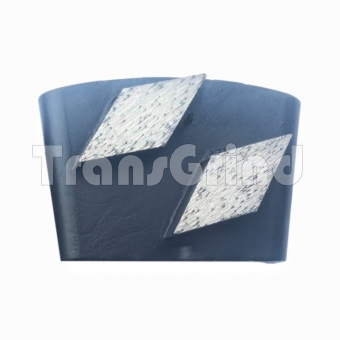
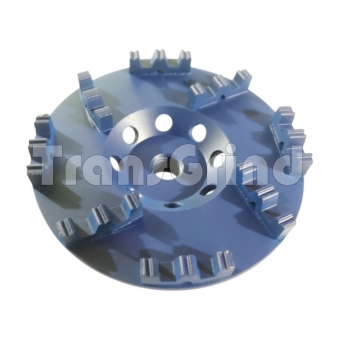
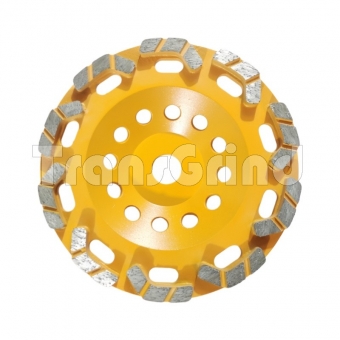
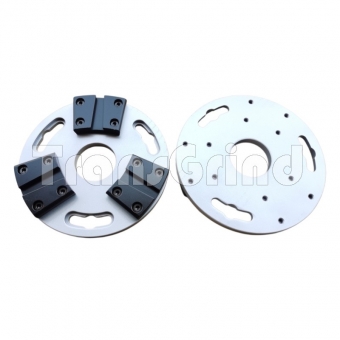
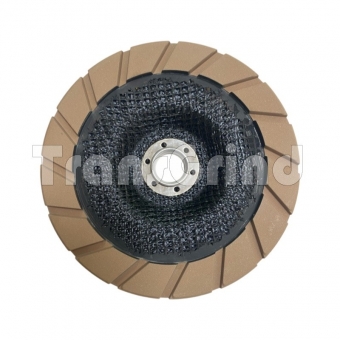
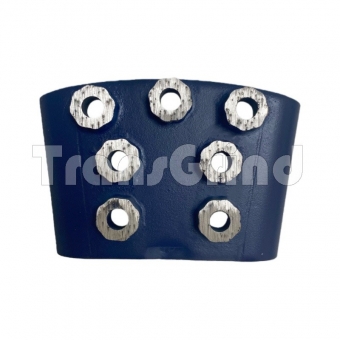
Mechanical grinding remains the most reliable technique for removing coatings from concrete. Using diamond grinding plugs and SASE PCD removal tools enables operators to strip coatings while controlling the surface texture and flatness. This method avoids chemical contamination and results in a clean, open surface that is ideal for overlays or polishing. Many professionals prefer TransGrind tooling due to its consistent performance across various coating conditions.
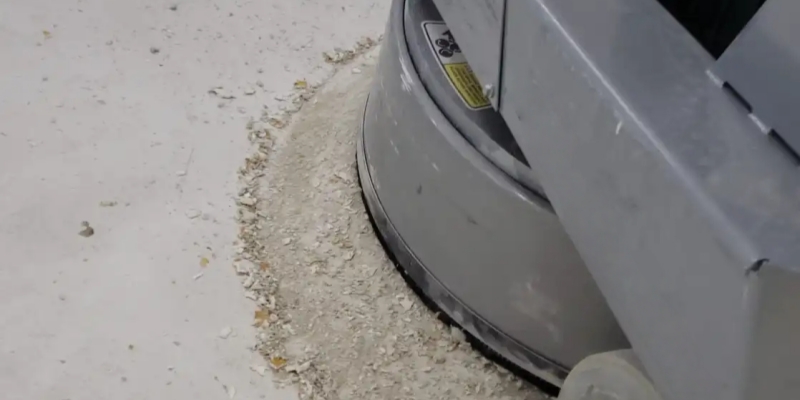
Managing dust is vital for both safety and quality. Grinding without proper dust extraction can reduce visibility and leave fine particles embedded in the surface. Connecting a vacuum system to the grinder keeps the workspace cleaner and helps maintain stable contact between the concrete quick change PCD tooling and concrete, leading to more even coating removal.
For those new to coating removal, steady progress and thorough inspection are key. Taking the time to ensure all coatings are completely removed prevents problems later on. A well-prepared concrete surface enhances adhesion, reduces installation time for new systems, and contributes to a more durable floor overall.

 IPv6 rete supportata