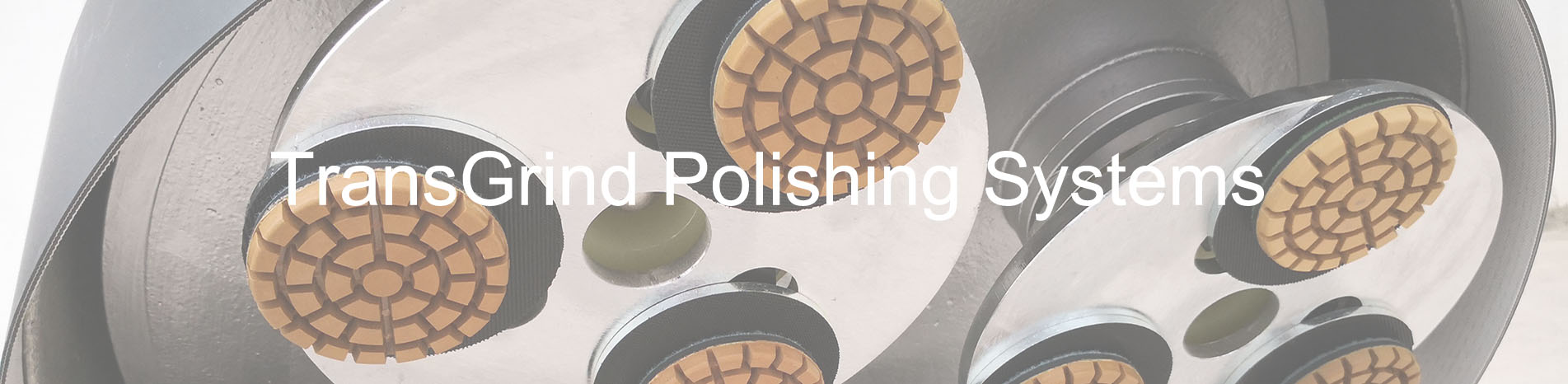
La rettifica ad alta precisione è un processo di rimozione controllata del materiale in cui l'obiettivo è ottenere una specifica condizione superficiale piuttosto che rimuovere semplicemente quanto più materiale possibile. Nel calcestruzzo e in altri materiali per pavimentazioni dure, anche piccole differenze nella profondità di rettifica, nel pattern dei graffi o nell'uniformità della superficie possono influire sul risultato finale. Ciò rende particolarmente importante la prestazione dell'utensile diamantato, poiché l'utensile determina il modo in cui i diamanti abrasivi interagiscono con la superficie e la costanza con cui il materiale viene rimosso.
Le caratteristiche di taglio di un utensile per rettifica diamantato sono influenzate da fattori quali la grana del diamante, la durezza del legante e il design del segmento. Le grane più grossolane vengono generalmente utilizzate quando è richiesta una rimozione di materiale più aggressiva, mentre le grane più fini vengono utilizzate man mano che la superficie diventa più rifinita. Anche la durezza del legante influisce sulla velocità con cui i diamanti vengono esposti e sostituiti durante la rettifica. Se il legante non è ben abbinato al materiale, i diamanti potrebbero diventare inefficaci troppo rapidamente o non riuscire a esporre nuovi punti di taglio in modo efficiente. Per lavori di precisione, l'obiettivo non è semplicemente scegliere l'utensile più aggressivo, ma selezionare un utensile diamantato per pavimenti in calcestruzzo che produca l'azione di taglio richiesta senza rimuovere materiale non necessario.
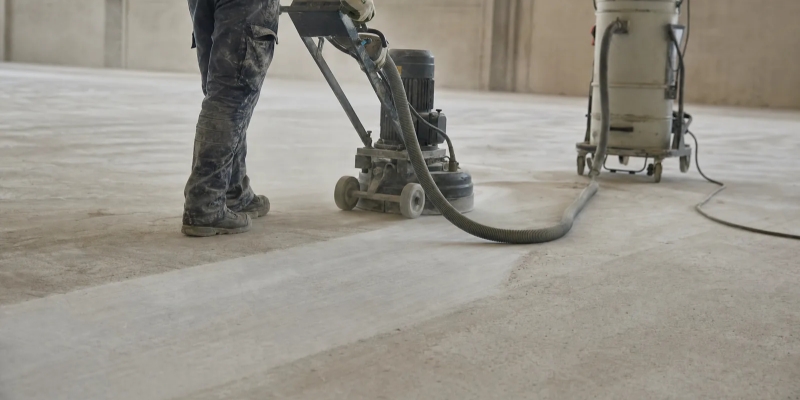
Anche il design del segmento gioca un ruolo diretto nella costanza della rettifica. Il numero, la forma, la dimensione e la disposizione dei segmenti diamantati influenzano il contatto tra l'utensile e il pavimento. Una configurazione dell'utensile che produce un pattern di taglio irregolare può lasciare graffi incoerenti o aree che richiedono un'ulteriore rettifica. Teste di rettifica diamantate progettate correttamente aiutano a distribuire l'azione di taglio in modo più costante, rendendo più facile mantenere una superficie uniforme mentre la macchina si sposta sul pavimento. Ciò diventa particolarmente importante quando il profilo superficiale o la profondità di rettifica richiesti devono rimanere costanti su un'ampia area.
Le condizioni del calcestruzzo possono rendere la precisione più impegnativa poiché un pavimento raramente si comporta esattamente allo stesso modo su tutta la sua superficie. Differenze di durezza, esposizione degli aggregati, aree riparate e precedenti trattamenti superficiali possono cambiare il modo in cui i diamanti tagliano. Un utensile diamantato adatto dovrebbe essere in grado di mantenere un'azione di taglio efficace mentre lavora attraverso queste variazioni. Gli operatori potrebbero anche dover regolare la pressione della macchina, la velocità di avanzamento o il numero di passate, ma queste regolazioni funzionano meglio quando l'utensile di base è già adatto al materiale. Anche l'usura dell'utensile dovrebbe essere monitorata, poiché i segmenti usurati in modo non uniforme possono influenzare gradualmente la costanza del pattern di rettifica.
Il valore della rettifica ad alta precisione diventa evidente nella qualità della superficie finita. La rimozione controllata del materiale può produrre un profilo più uniforme, ridurre le passate non necessarie e limitare la quantità di correzione richiesta in seguito. Indipendentemente dal fatto che il pavimento rimanga con finitura meccanica o passi a un processo di lucidatura o rivestimento, la fase di rettifica stabilisce la superficie da cui dipende il lavoro successivo. Gli utensili diamantati svolgono quindi un ruolo centrale nella rettifica di precisione controllando la velocità, la profondità e la costanza della rimozione del materiale. Quando grana, legante, design del segmento e condizioni operative sono abbinati correttamente, l'utensile diamantato può fornire l'azione di taglio controllata necessaria per ottenere un pavimento più uniforme e preparato con precisione.

 IPv6 rete supportata
 English
 français
 Deutsch
 русский
 italiano
 español
 português
 العربية
 日本語
日本語 Polski
 中文
中文